
Explore the Best of Talbot County
Talbot County, Maryland is a place where historic waterfront towns, working harbors, and miles of scenic shoreline shape daily life, while locally owned shops, galleries, and restaurants give the community a distinct personality.
Visitors come for the scenic shoreline, the freshest seafood, and the chance to slow down. Whether it’s strolling a quiet harbor, cycling through farmland, or tasting the catch of the day at a waterside café, Talbot County’s landscape and culture encourage you to relax and explore at your own pace.
Talbot County at a Glance
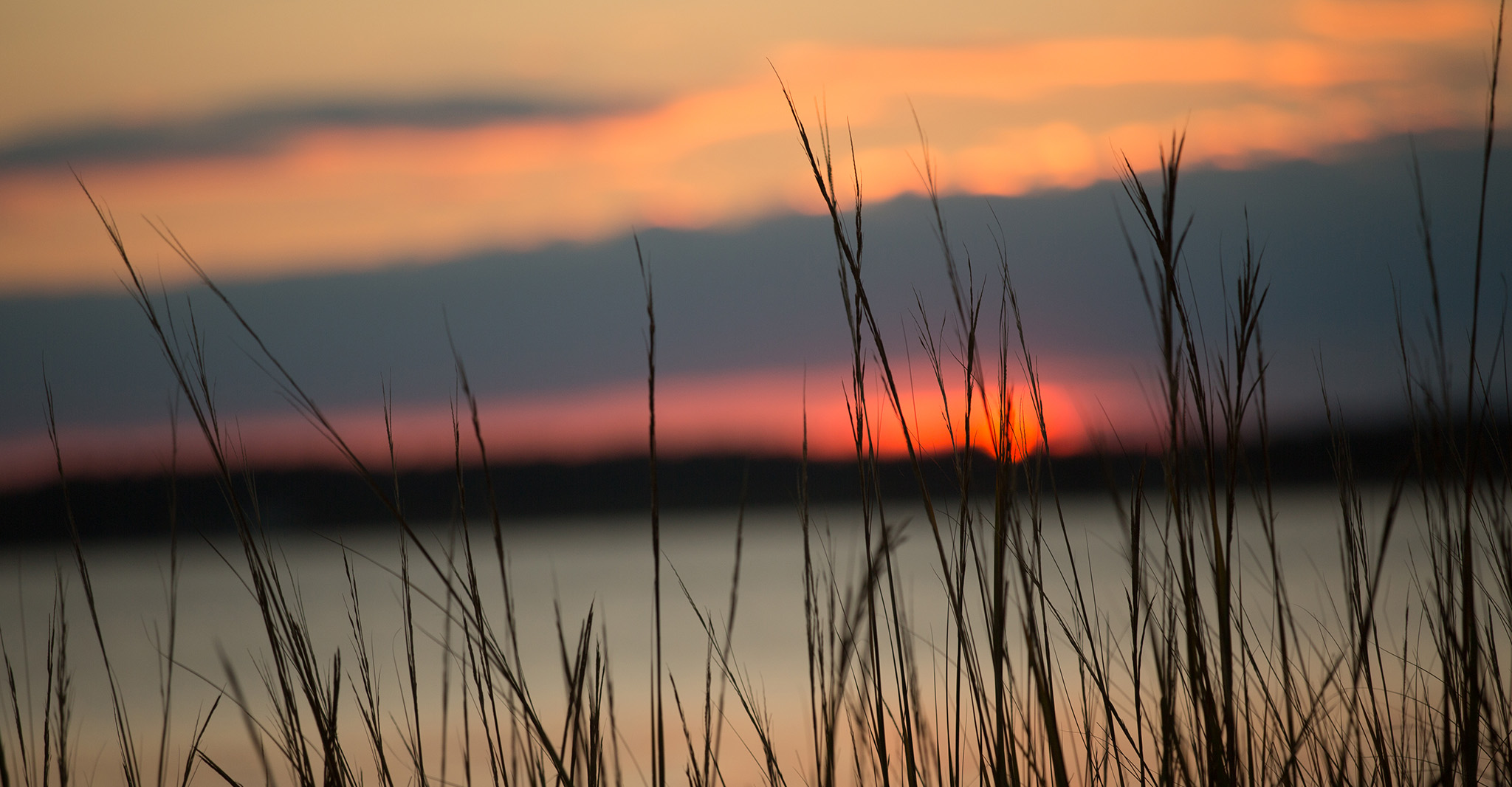
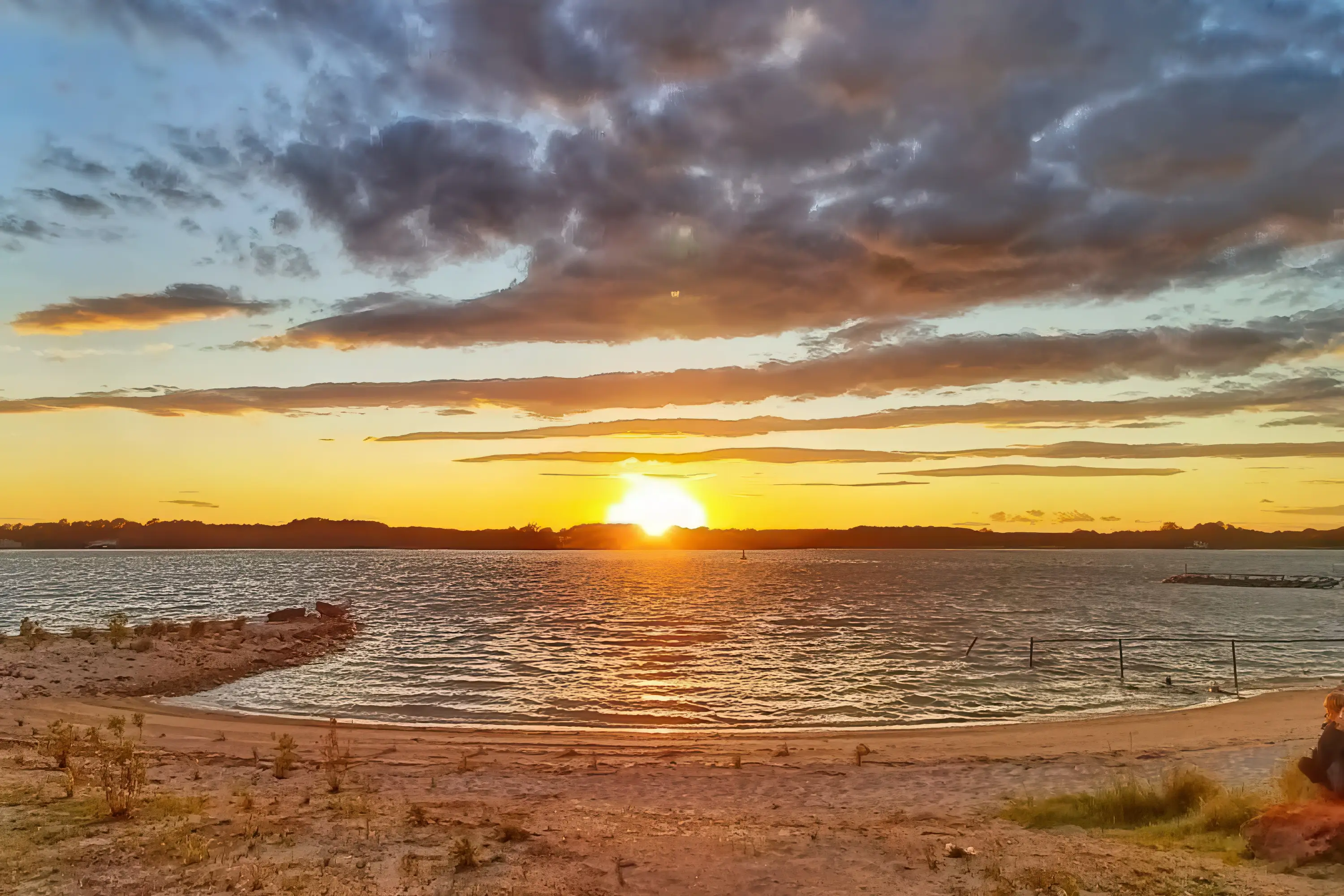
Talbot County is a true Eastern Shore escape. You can spend your days on the water, wandering downtown streets filled with galleries and cafés, or simply watching the sunset over a marsh.
Towns and villages are shaped by generations of watermen and farmers who welcome you with a slower rhythm and plenty of charm. Boating, fishing, and crabbing remain part of daily life, and every turn offers a new perspective on life along the Chesapeake Bay.
History and Heritage
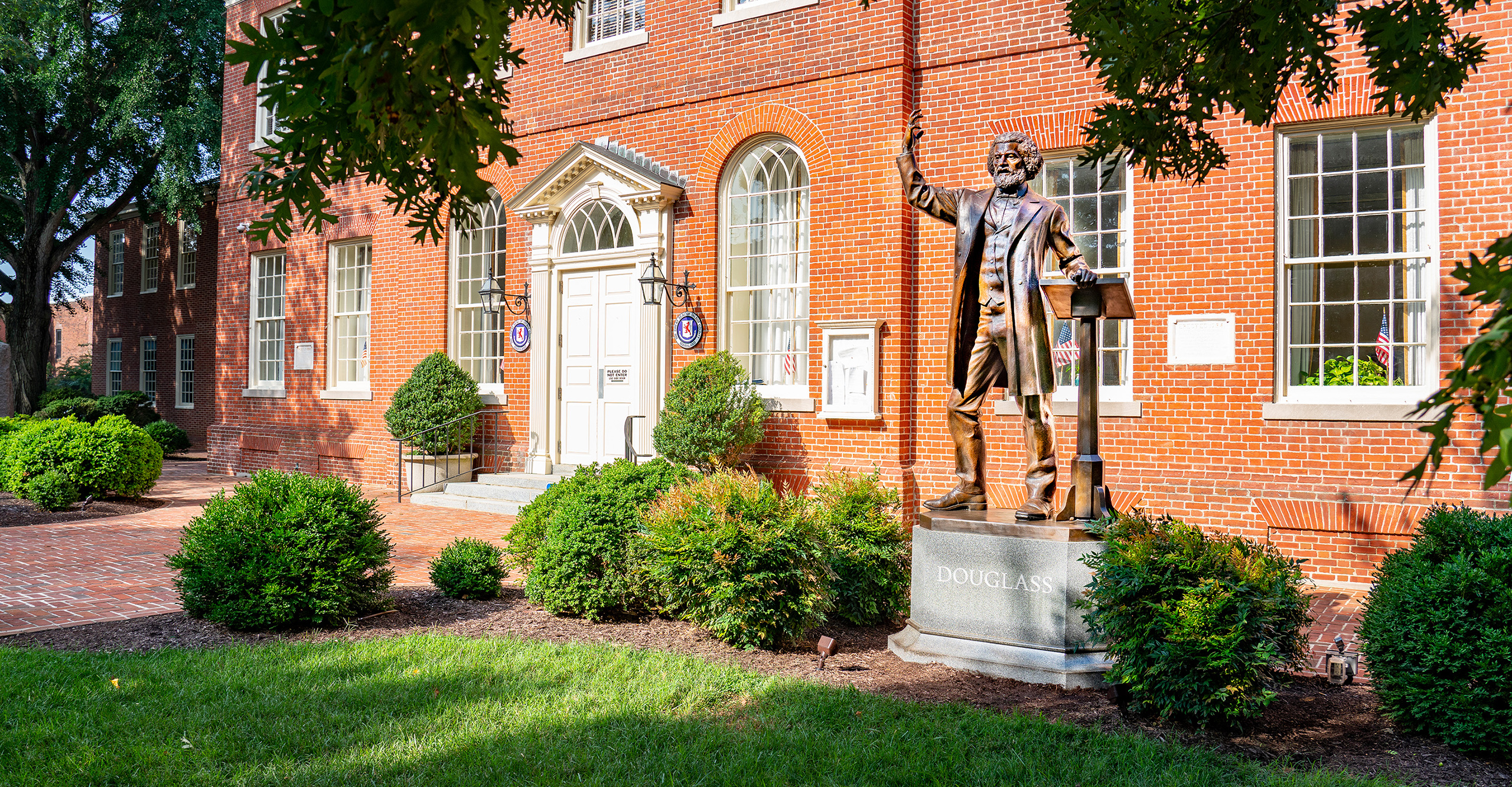
Founded in 1661, Talbot County is one of Maryland’s oldest communities. Its history is written in brick sidewalks, historic homes, and preserved waterfront districts that tell stories of maritime trade, shipbuilding, and agriculture. Early settlers relied on waterways as the main routes for commerce, shaping a strong maritime economy that continues today with fishing, oystering, and crabbing.
Many towns throughout the county still showcase colonial and 19th-century architecture, offering visitors a glimpse into earlier chapters of life on the Eastern Shore. Churches, historic streets, and working harbors remain part of everyday life rather than preserved attractions.
Talbot County’s history also includes important cultural and national figures, including Frederick Douglass, who was born here and later became one of the most influential voices for freedom and equality in American history. His story represents one part of a broader heritage shaped by maritime traditions, agriculture, and generations of communities connected to the Chesapeake Bay. Visitors can explore this history through museums, historic homes, and cultural programs throughout the county.
Location and Geography
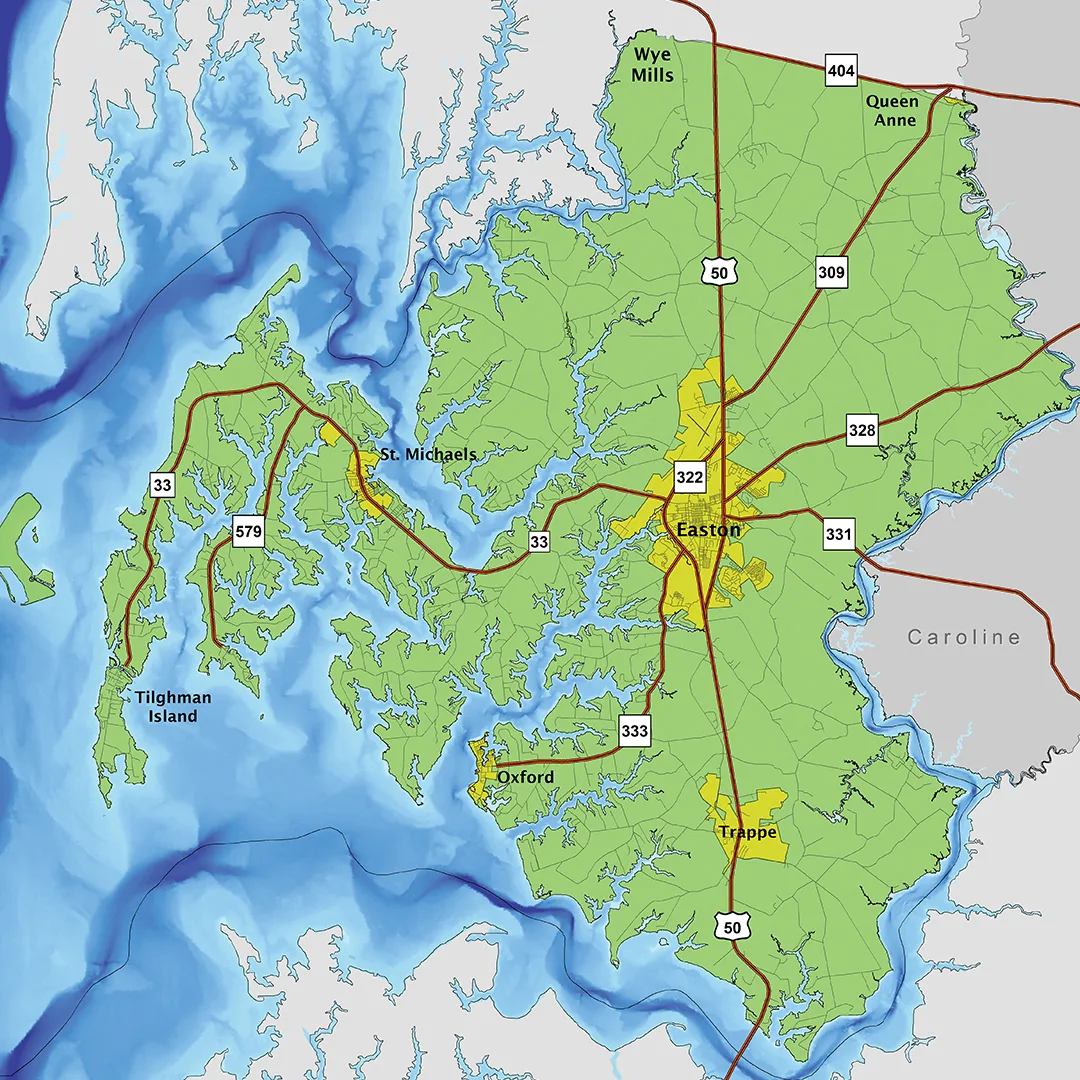
Miles of shoreline and waterfront views define Talbot County’s landscape. It sits where the Chesapeake Bay meets a network of rivers and tributaries along Maryland’s Eastern Shore. Open water, farmland, marshes, and harbor towns are perfect for scenic drives, quiet back roads, and water adventures.
Even though it feels like a getaway, Talbot County is easy to reach from nearby Mid-Atlantic locations. About 90 minutes from Washington, D.C., Baltimore, and Annapolis, it’s close enough for a weekend escape but far enough to feel like you’ve stepped into another world. Each town offers its own charm, whether it’s a quiet street lined with historic homes or a bustling harbor full of fishing boats. Review local maps and other visitor resources to help plan your visit .
Climate and Best Times to Visit
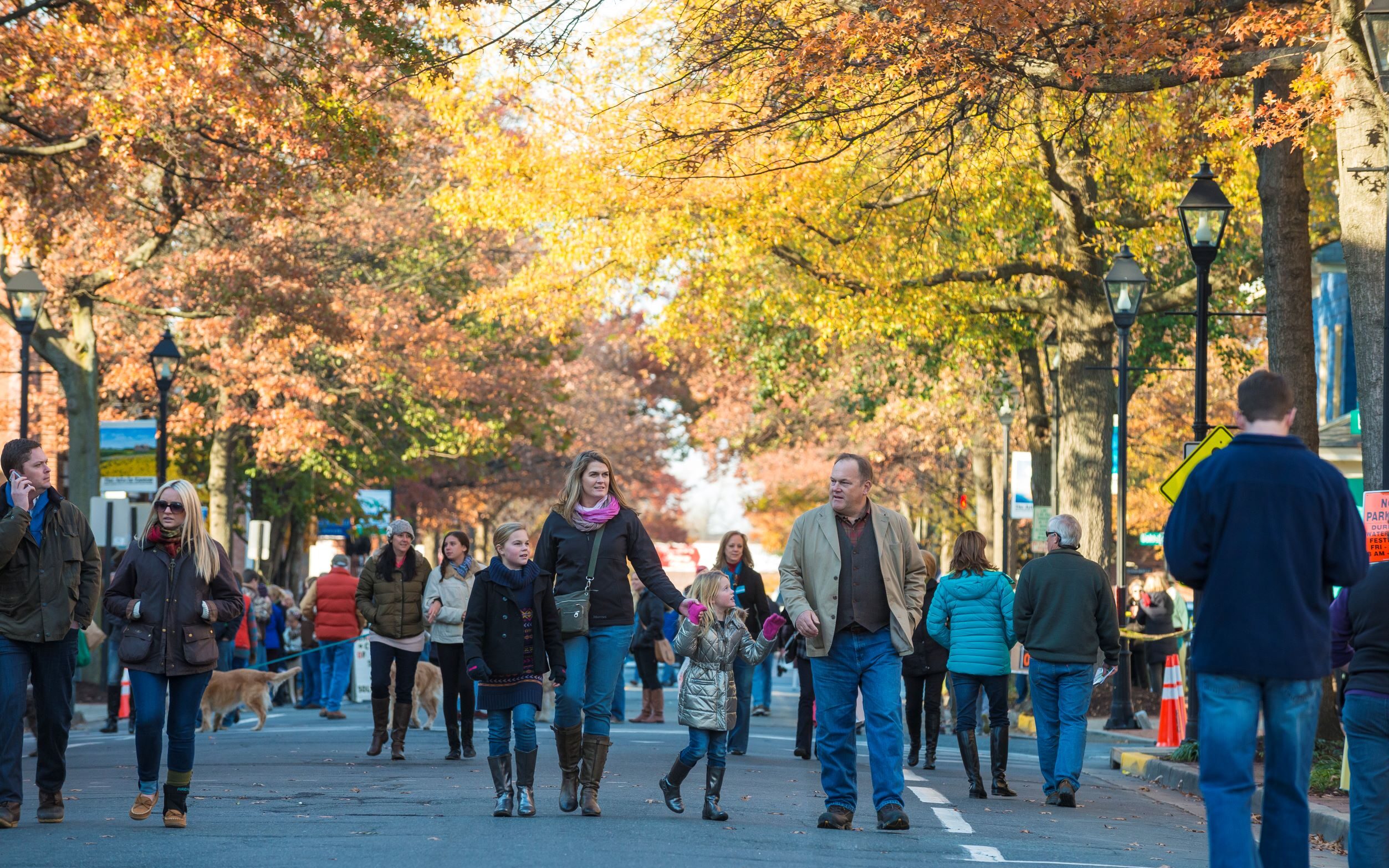
Talbot County experiences four distinct seasons, each offering a different perspective on life along the Chesapeake Bay.
- Spring: Mild temperatures, blooming landscapes, and festivals make spring ideal for exploring the outdoors.
- Summer: Warm days and long evenings invite boating, waterfront dining, and summer crab feasts.
- Fall: Crisp air, colorful foliage, and seasonal events make autumn perfect for scenic drives.
- Winter: Peaceful waterfront views, cozy dining, and holiday celebrations offer a slower, charming pace.
For outdoor and maritime activities, late spring through early fall is the sweet spot among visitors. Travelers can browse upcoming events and festivals to align with their trip.
Key Industries and Economy
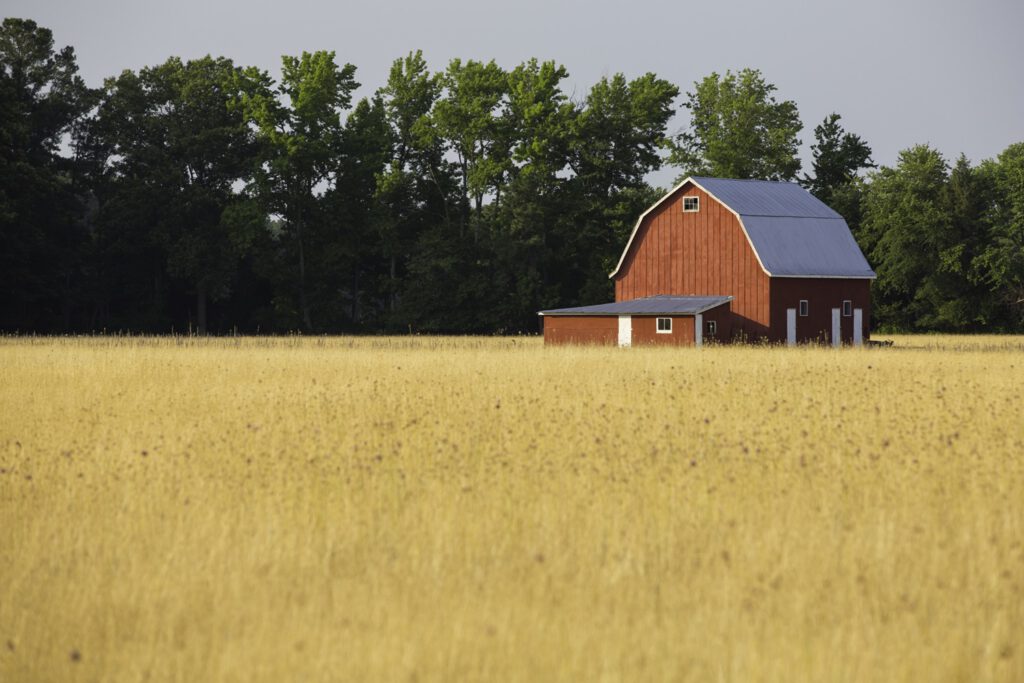
While tourism plays a visible role in Talbot County, the local economy is built on long-standing industries that still shape daily life.
Commercial fishing, crabbing, and oystering remain essential to the working waterfront. Marine trades such as boat building, repair, and marina services continue to support life on the Chesapeake Bay.
Agriculture is another pillar of the region. Family farms produce grains, vegetables, and livestock that supply both local markets and businesses throughout Maryland’s Eastern Shore.
Healthcare, education, hospitality, and locally owned small businesses round out the economy. Together, these industries create a community that feels rooted, self-sustaining, and closely tied to the land and water.
Towns and Communities in Talbot County
Each community within Talbot County offers its own personality and pace.
Easton
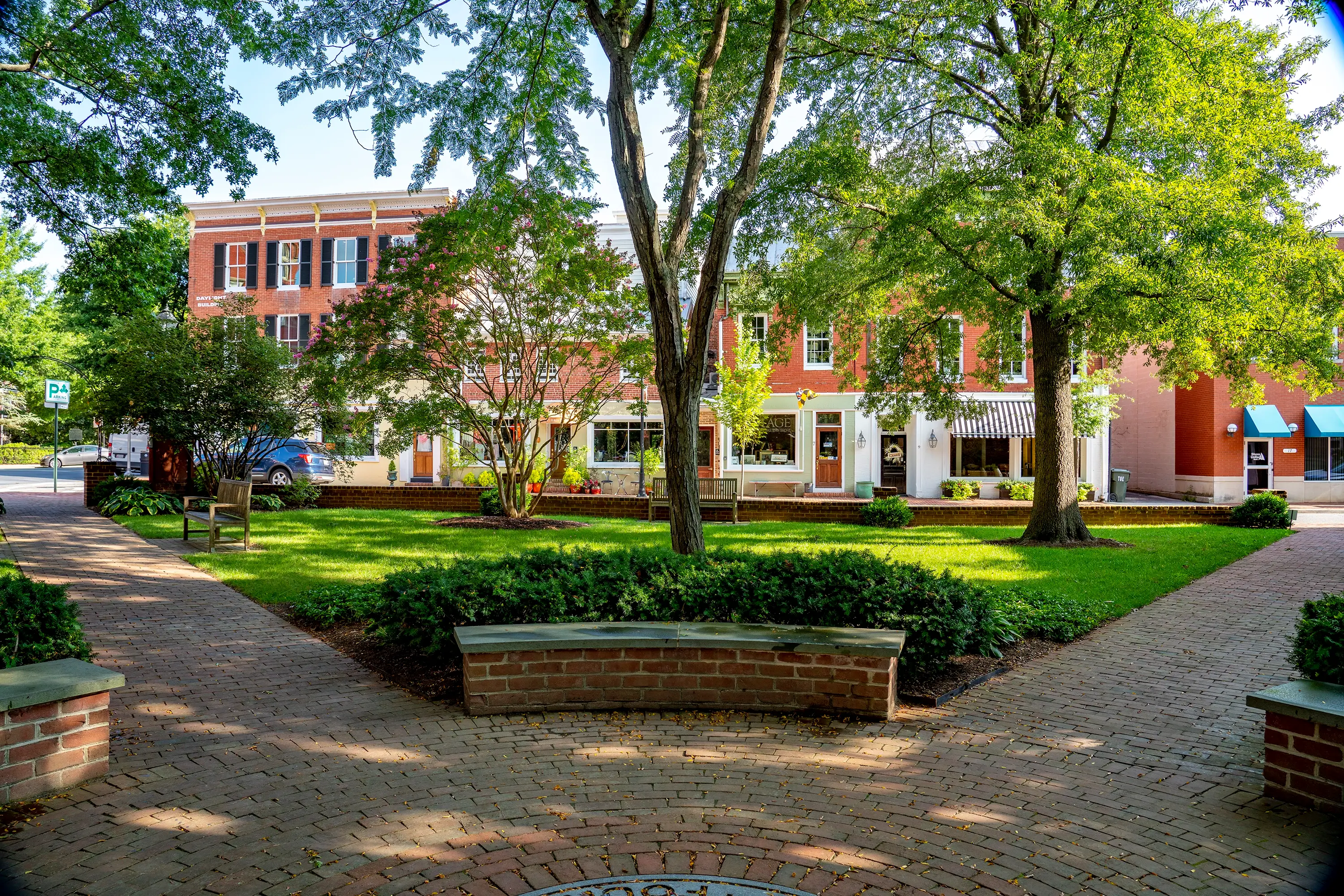
Easton is lively and sophisticated, with a downtown full of galleries, theaters, independent shops, and restaurants. The Avalon Theatre hosts performances year-round, and seasonal festivals, art shows, and community events bring locals and visitors together. Historic architecture meets modern energy, making Easton a cultural hub and a perfect base for exploring the Eastern Shore.
Oxford
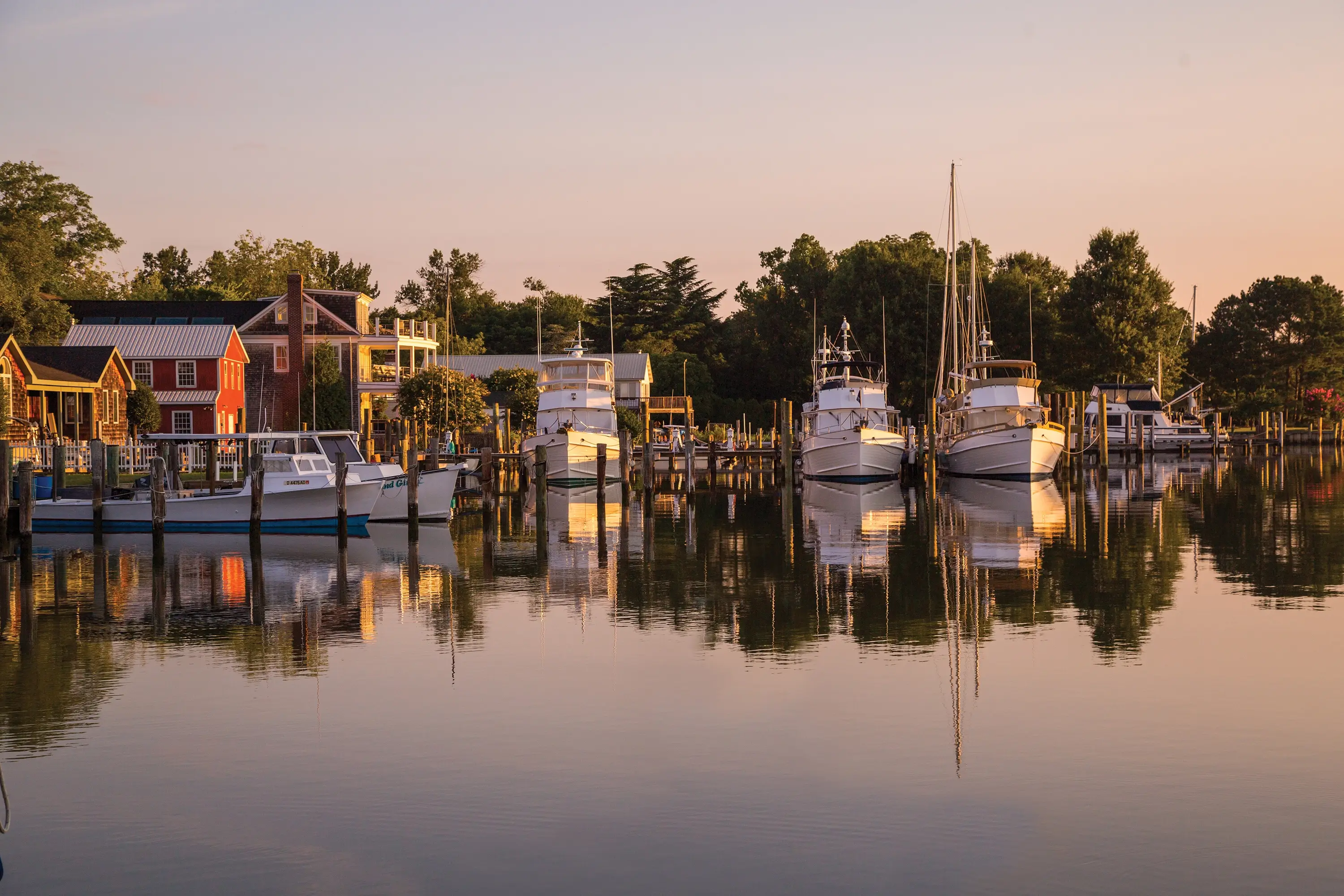
Oxford offers a peaceful escape with tree-lined streets, historic homes, and a serene waterfront. The Oxford-Bellevue Ferry, one of the oldest continuously operating ferries in the country, provides both a scenic ride and a glimpse into the town’s long maritime history. Visitors can enjoy calm streets, waterfront views, and leisurely exploration at a relaxed pace.
St. Michaels
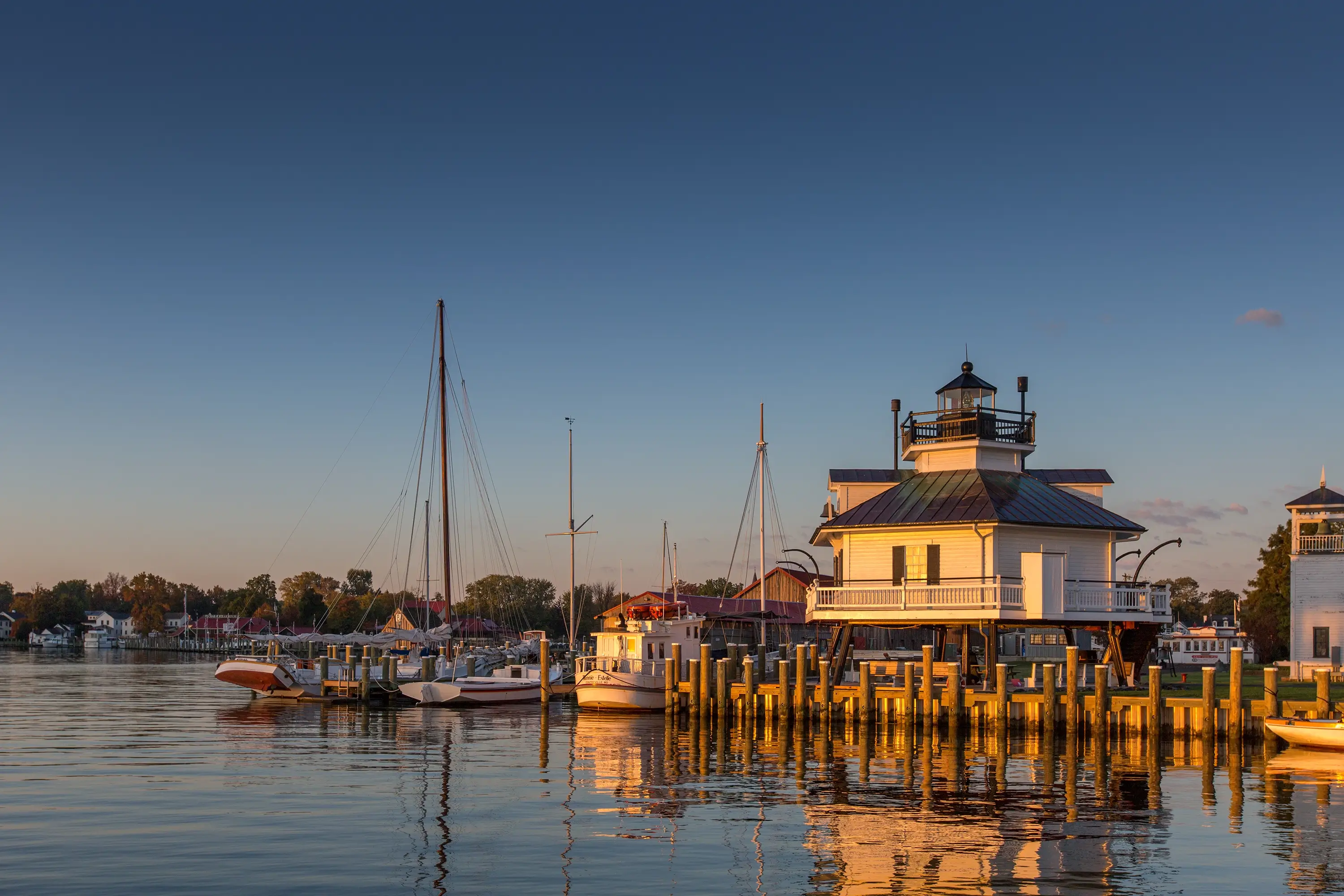
St. Michaels is a picturesque waterfront town that feels like stepping back in time. Harbor views, historic streets, and boutique shops create a walkable, welcoming experience. The Chesapeake Bay Maritime Museum offers insight into watermen traditions, while local restaurants serve fresh seafood daily. Whether kayaking, taking a harbor cruise, or browsing galleries, St. Michaels blends maritime heritage with small-town energy.
Tilghman Island
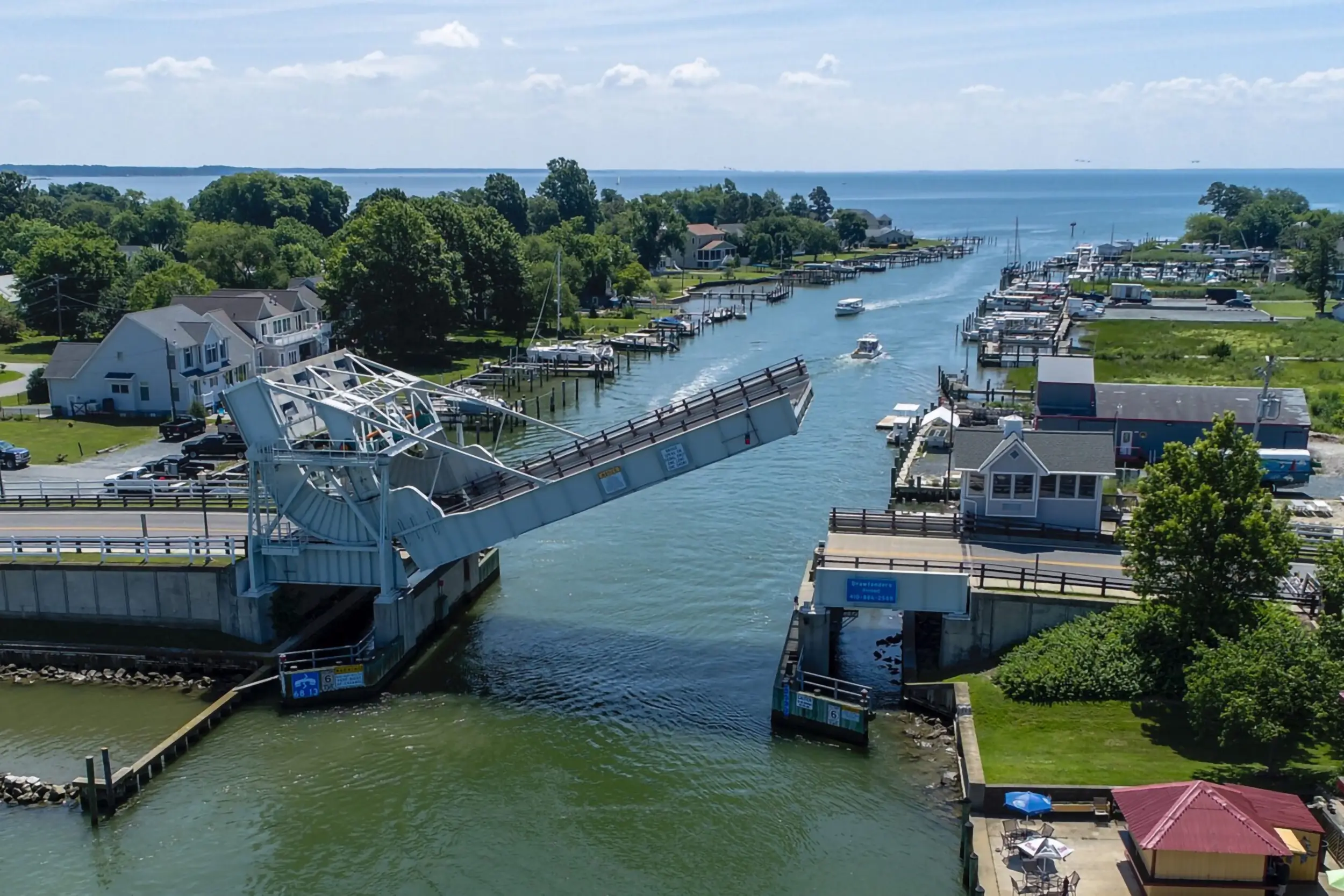
Tilghman Island is where Chesapeake Bay traditions come alive. Fishing, crabbing, and boating are still daily routines for local watermen. Visitors can explore marinas, kayak the waterways, and savor fresh seafood while taking in sunsets over the Bay. Its quiet charm and working waterfront offer a front-row seat to life shaped by the water, making it an essential stop for anyone wanting an authentic maritime experience.
Around the Area
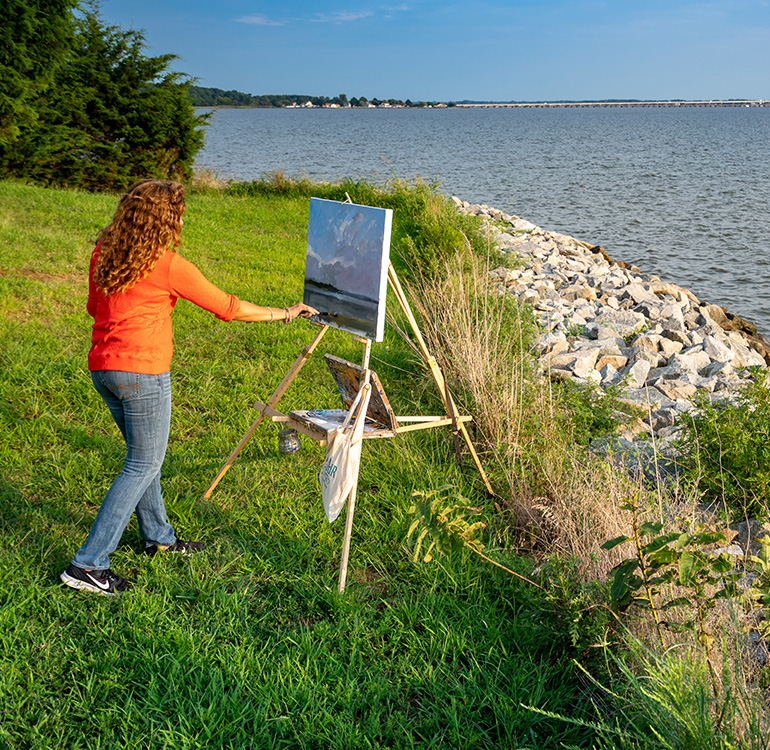
With a year-round population of nearly 39,000, Talbot County epitomizes small-town charm. Beyond the boundaries of the more established Easton, Oxford, St. Michaels, and Tilghman Island, lay the towns of Queen Anne and Trappe along with 21 villages. Though distinct in setting and story, together, these towns and villages create a patchwork of hidden gems, each with their own character and charm.
Food and Dining in Talbot County
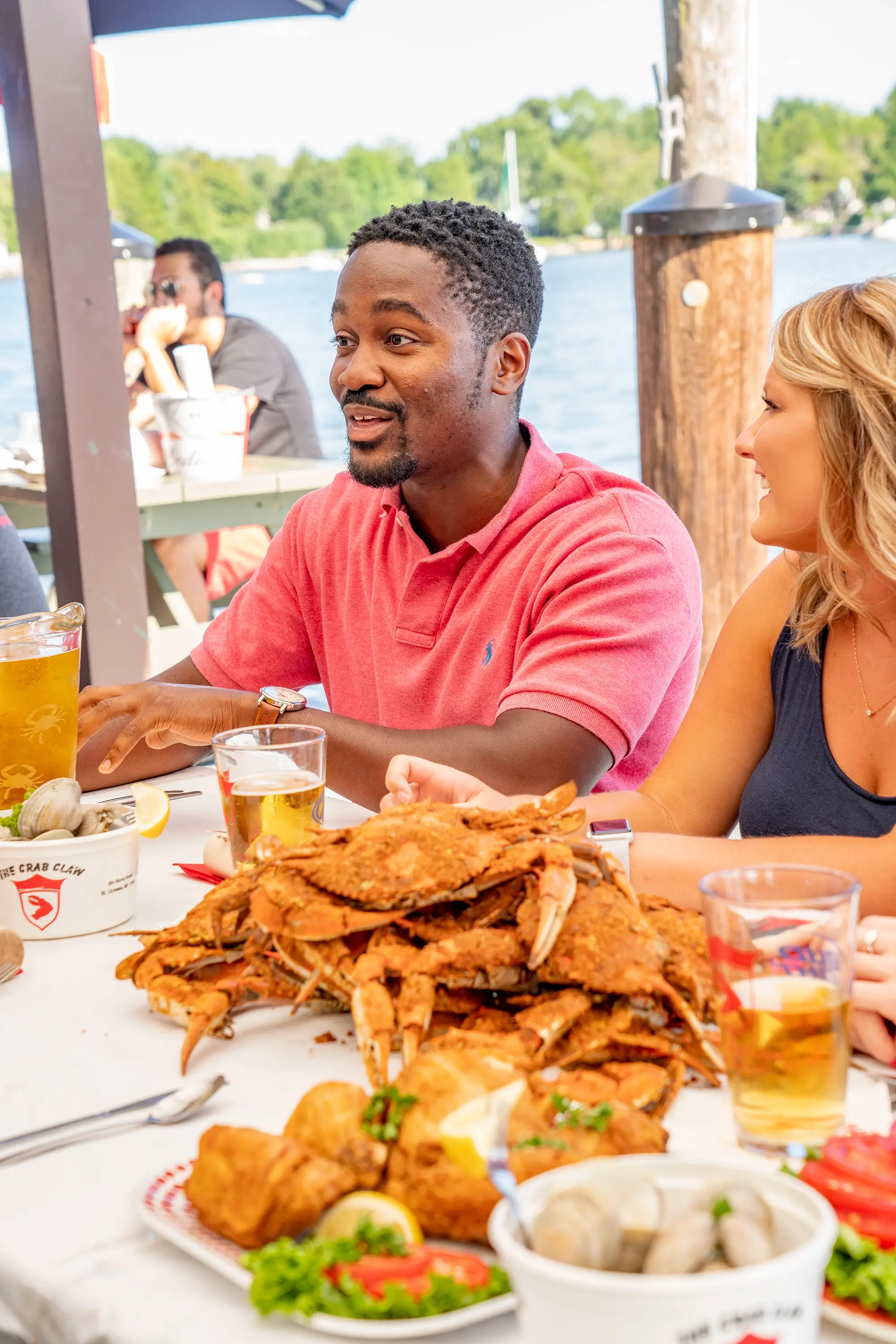
Dining in Talbot County reflects its surroundings. Fresh seafood, waterfront views, and seasonal ingredients shape the local menus.
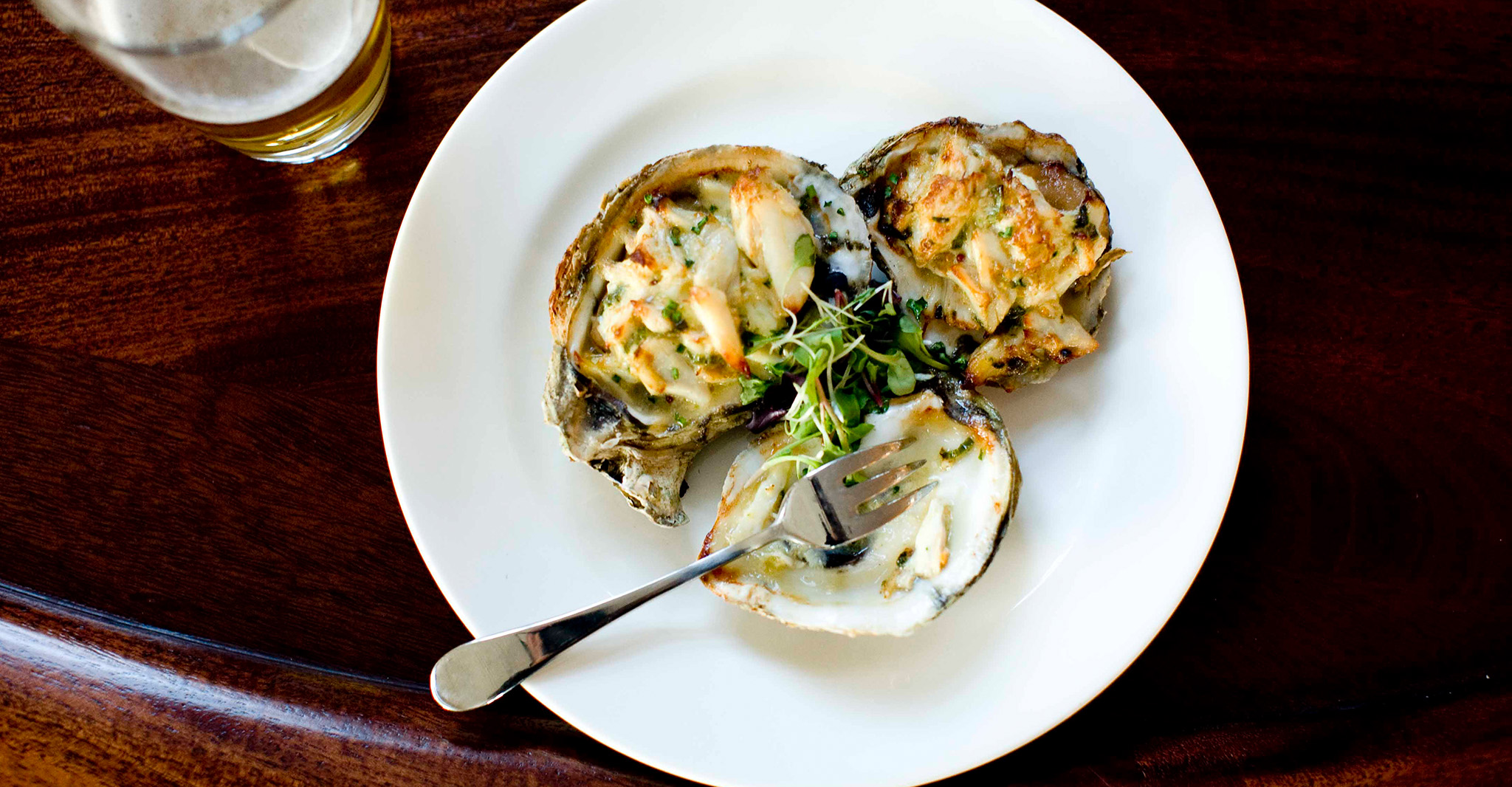
Blue crabs and oysters are staples, especially during the warmer months. Waterfront restaurants serve the catch of the day just steps from the harbor, while cozy cafés and refined dining rooms offer everything from casual lunches to celebratory dinners.
Beyond seafood, the region embraces farm-to-table cooking. Local produce, meats, and grains appear across menus, highlighting the connection between nearby farms and neighborhood kitchens.
Whether you are looking for a crab feast, a sunset dinner overlooking the water, or a quiet brunch on a brick-lined street, Talbot County’s dining scene feels both relaxed and distinctly Chesapeake.
Major Attractions and Things to Do
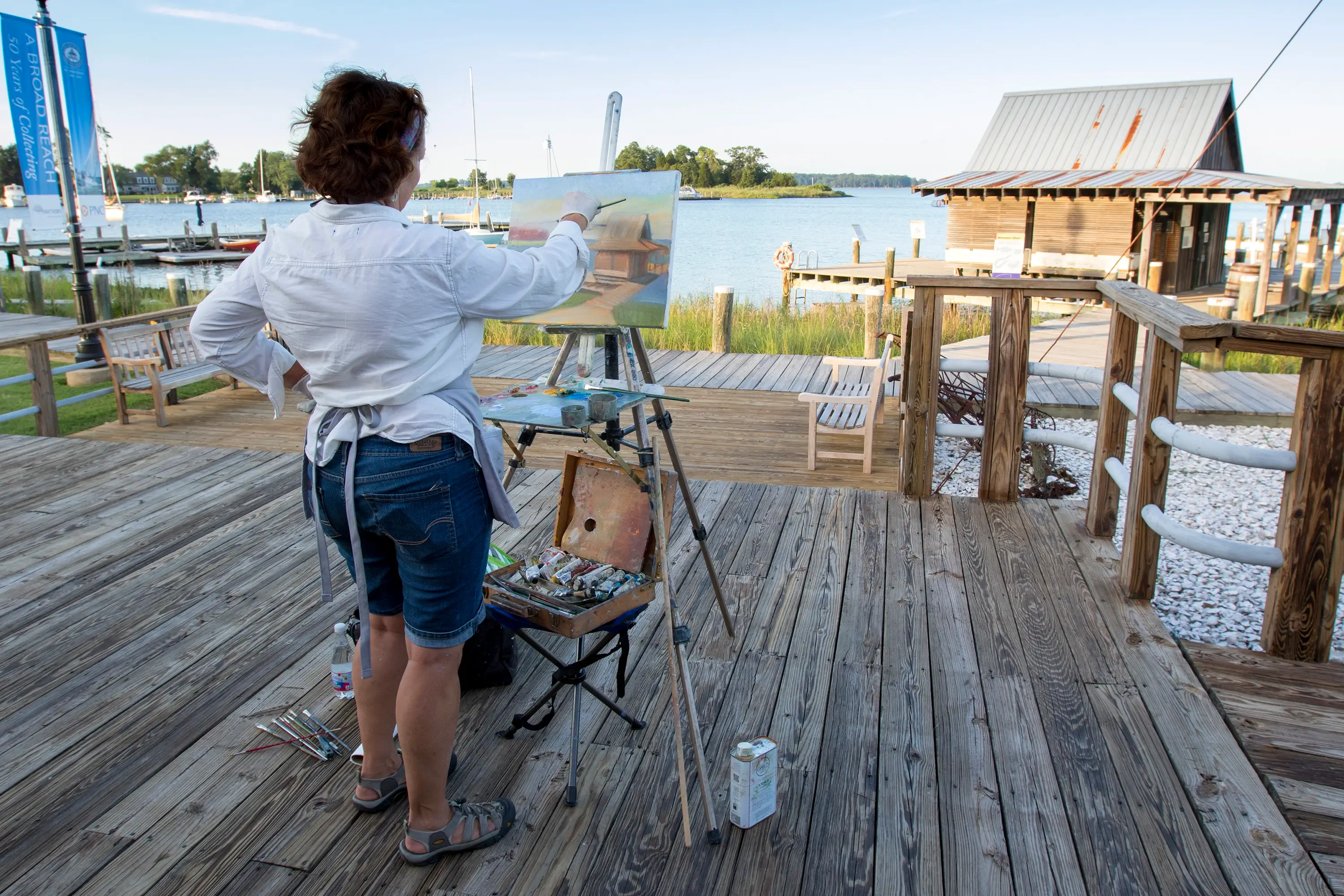
Talbot County is full of experiences that celebrate the water, history, and local culture. Boating, sailing, fishing, and kayaking let you get up close to the Chesapeake Bay, while historic downtowns, galleries, and museums invite you to slow down and explore at your own pace.
Outdoor adventures are also abundant, from cycling and birdwatching to scenic drives along marshes, rivers, and coastal back roads.
Seasonal festivals, farmers markets, and community events offer a taste of local traditions and bring the region’s spirit to life.
No matter how you spend your time in Talbot County, the best approach is to take it slow. Each town, harbor, and quiet corner has its own story, waiting to be discovered.
Arts, Culture, and Maritime Heritage
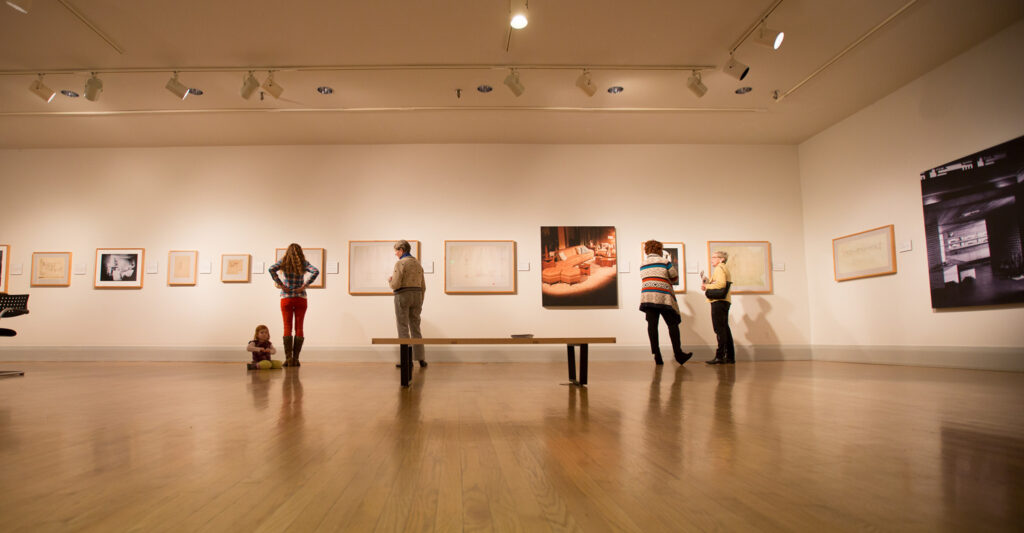
Arts and culture are alive and thriving in Talbot County. Easton shines as an arts hub, with galleries, theaters, and events throughout the year. Maritime heritage is equally celebrated, with museums, working harbors, and ongoing traditions telling the story of watermen, shipbuilders, and coastal communities.
Transportation and Getting There

Talbot County is easy to reach by car from the Mid-Atlantic. Visitors flying in typically use Baltimore/Washington International (BWI), Reagan National, Dulles, or Philadelphia International Airport (PHL) then take a scenic drive to the Eastern Shore. The Easton Airport is available for private landings and charters.
Once here, a car is essential for exploring. Downtowns, waterfront harbors, quiet rural roads, and scenic byways are best experienced at your own pace.
Notable People from Talbot County
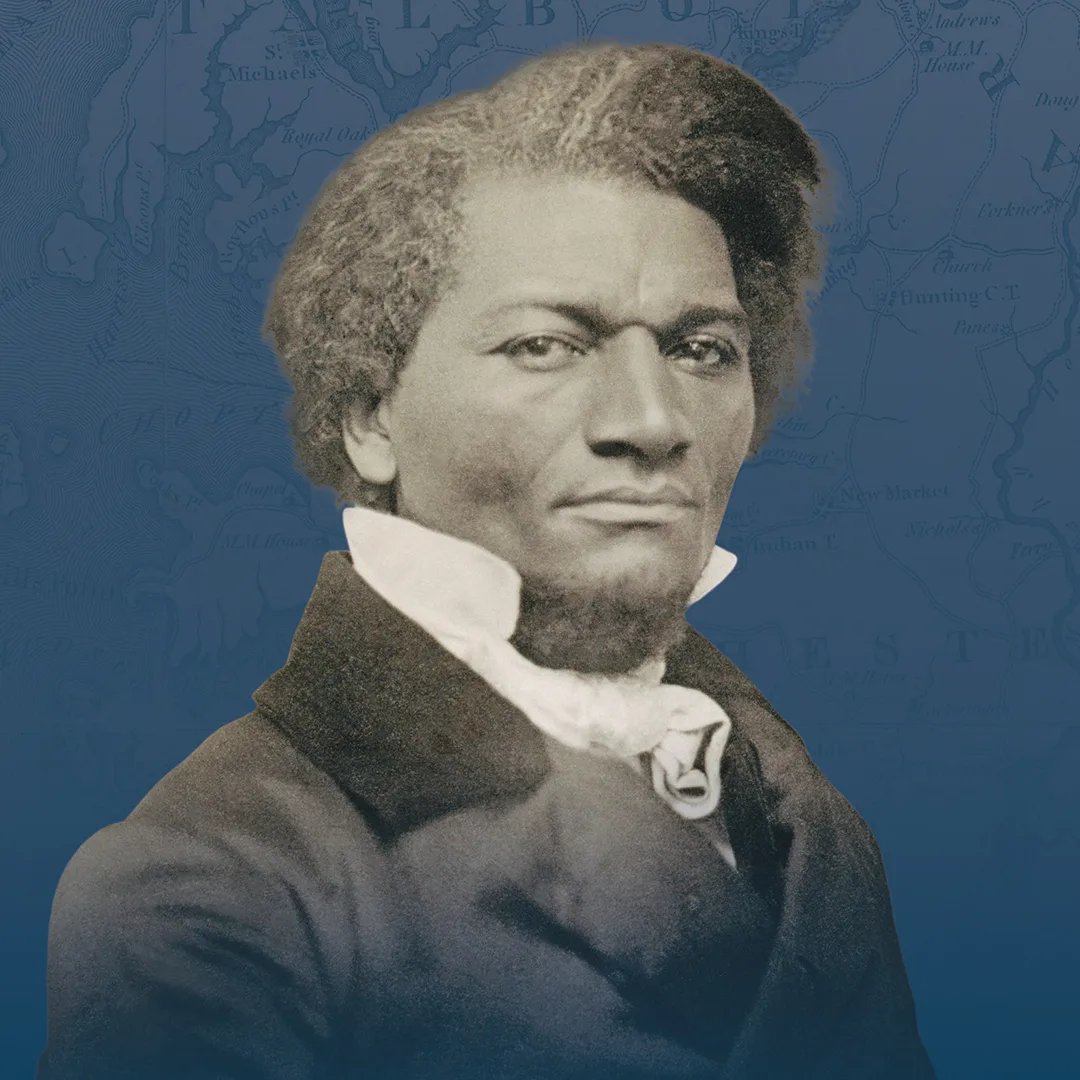
Talbot County has been home to several notable figures whose influence extends beyond Maryland’s Eastern Shore. Spanning across generations, these figures have contributed to society, reflecting the depth and diversity of the region’s legacy.
Frederick Douglass remains the most prominent historical figure connected to Talbot County. Born into slavery in 1818, he went on to become one of the most powerful voices for abolition and equality in American history. His legacy remains central to the region, with museums, heritage sites, and educational programs preserving and sharing his story.
From the Revolutionary era, Tench Tilghman played a key role as an aide-de-camp to George Washington. He is best known for delivering news of the American victory at Yorktown to the Continental Congress, marking a pivotal moment in U.S. history. His legacy is still reflected in the region.
The county has long attracted and inspired artists and writers connected to the Chesapeake Bay’s landscape and maritime traditions. Ruth Starr Rose stands out for her work documenting the Eastern Shore’s African American communities in the early to mid 20th century.
Talbot County has also produced notable figures in professional sports. John Franklin “Home Run” Baker, a Hall of Fame baseball player born in Trappe, earned his nickname for his powerful hitting during the early 1900s. Decades later, Harold Baines, another Eastern Shore native, built an impressive career in Major League Baseball and was inducted into the Hall of Fame, further strengthening the county’s connection to the sport.
These individuals, along with other writers, artists and community leaders connected to the Chesapeake Bay, highlight Talbot County’s enduring influence. The region is not only defined by its landscapes and waterfront towns but also by the people whose stories continue to shape its cultural identity.
Frequently Asked Questions
Where is Talbot County located?
On Maryland’s Eastern Shore along the Chesapeake Bay, east of Annapolis and within driving distance of Washington, D.C., and Baltimore.
What is Talbot County known for?
Talbot County is known for its historic waterfront towns, maritime heritage, seafood, boating, and arts and culture.
When is crab season in Talbot County?
Crab season typically runs from spring through early fall, with peak availability during the summer months.
What towns are in Talbot County?
Major communities include Easton, St. Michaels, Oxford, and Tilghman Island, along with several smaller towns and rural areas.
Is Talbot County good for a weekend trip?
Absolutely. Its proximity to major cities, combined with waterfront scenery, dining, and cultural attractions, makes it a popular weekend destination.
Summary
Talbot County is shaped by its history, culture, and waterfront communities. From Easton’s vibrant streets to St. Michaels’ harbors, Oxford’s quiet charm, and Tilghman Island’s working heritage, each town adds to a destination that is welcoming and unforgettable.